
GOOGLE RANKER PRO / INSIGHTS
Google Ads Budgeting for London Small Businesses
Google Ads budgeting for London small businesses: work out your maximum cost per lead, test spend safely and measure what actually converts.

A campaign can look unsuccessful because enquiries are not being recorded, not because advertising has failed. Google's privacy documentation explains that consent choices can prevent some conversions from being observed directly, with conversion modelling and enhanced conversions helping improve measurement. The first budget decision is whether results can be measured.
Google Ads budgeting for London small businesses should start with the profit a sale leaves behind. Set an affordable qualified-lead cost from that profit, then fund a tightly controlled test. Track calls, quote requests and purchases before committing meaningful spend, because a campaign with weak sales records cannot tell you whether the budget is working.
A borough-level campaign with trustworthy records beats London-wide coverage that produces clicks nobody can connect to revenue. Start narrow, prove the numbers, then widen only where enquiries turn into sales.
Work Out the Most You Can Pay per Lead
Maximum cost per qualified lead = average gross profit per sale × qualified lead-to-sale rate × share of profit allocated to acquisition.
That calculation sets a commercial ceiling before an advertiser chooses keywords or approves a monthly budget. Google's conversion measurement guidance supports tracking valuable actions such as purchases, quote requests and calls, alongside cost per conversion and conversion value per cost. The business still has to decide what those actions are worth.
Gross profit isn't turnover. It's the amount remaining after materials, direct labour and other costs of delivering the job. Advertising affordability should come from that remaining amount, not the headline invoice value.
Turn job profit into a lead allowance
The lead-to-sale rate is the proportion of qualified enquiries that become paying customers. The acquisition share is the portion of gross profit the business is prepared to spend winning those customers, leaving the rest to contribute towards overheads and retained profit.
Maximum cost per lead from gross profit (hypothetical examples)
All figures below are illustrations, not sector benchmarks. Each result is calculated from the assumptions in its row.
| Average gross profit per sale | Lead-to-sale rate | Share of profit for acquisition | Maximum cost per lead |
|---|---|---|---|
| £300 | 25% | 20% | £15 |
| £600 | 20% | 25% | £30 |
| £600 | 30% | 25% | £45 |
| £1,200 | 20% | 30% | £72 |
| £2,000 | 10% | 30% | £60 |
In the first hypothetical row, a job leaving £300 gross profit, a 25% close rate and a 20% acquisition allowance produces a £15 maximum CPL: £300 × 0.25 × 0.20. In the final row, £2,000 gross profit supports a £60 lead allowance despite a lower 10% close rate.
A high-value service can therefore justify a higher enquiry cost than a low-margin service. Averaging both together can disguise an unprofitable campaign, so allowances should be calculated per service, not per advertising account.
Keep the cost basis consistent
Media-only CPL is useful for campaign optimisation, but it isn't the whole acquisition bill. Prometheus Agency's explanation of how to calculate CPL beyond ad spend provides a useful framework for considering the wider cost base.
A trades business also needs to distinguish paid acquisition from ongoing local discovery. The principles in local SEO for tradespeople in Oldham are relevant to separating those activities, without assuming identical advertising economics in London.
Before opening an account, owners should:
- Write down service-level gross profit, including realistic direct delivery costs.
- Estimate the close rate from the last 30 days of enquiries, treating a thin sample as provisional.
- Choose an acquisition share that leaves room for overheads and profit.
Measure Qualified Leads Rather Than Clicks
Clicks aren't the commercial result. Neither are form submissions from job-seekers, suppliers or people outside the service area. A useful conversion represents a genuine buying opportunity, and its quality must be checked against what happens after the enquiry.
Google's conversion reporting documentation defines conversion rate as conversions divided by ad interactions and explains reporting for conversions and conversion value. That makes conversion rate useful for diagnosis, but only when the conversion action means something commercially.
Build the measurement chain before launch
Install the Google tag and create separate conversion actions for completed web enquiries, telephone calls and purchases where applicable. Test the complete journey, including the confirmation page, call route and record created in the business's customer relationship management system, or CRM.
A hypothetical starting definition for a qualified call might be longer than 60 seconds, followed by a check of whether the caller needs the service. Duration is a screening signal, not proof of buying intent: a short booking can be valuable, while a long irrelevant conversation isn't.
Record the service requested, location, qualification status, quotation outcome and eventual sale. Where available, retain the Google click identifier, which helps connect an enquiry with the advertising interaction that generated it.
For a practical implementation companion, the Otter A/B conversion tracking guide can help structure the tracking checks. The important test remains whether a genuine enquiry reaches the business record correctly, without being counted twice.
Three levels of cost per result
This hypothetical example follows the same advertising spend through enquiry, qualification and sale.
| Metric | Calculation | Worked example |
|---|---|---|
| Cost per raw lead | spend ÷ all leads | £1,200 ÷ 40 = £30 |
| Cost per qualified lead | spend ÷ qualified leads | £1,200 ÷ 25 = £48 |
| Customer acquisition cost | spend ÷ customers | £1,200 ÷ 5 = £240 |
The raw lead figure makes the campaign look cheaper than the qualified-lead figure. The customer figure answers a different question: how much advertising spend was needed to win actual business?
Measurement rule: More forms aren't an improvement when fewer of them become worthwhile customers.
Check attribution before judging demand
Test the cookie banner and tag firing under the consent choices offered to visitors. Consent settings can change what gets recorded, so an apparent lack of enquiries needs a measurement check before the campaign is labelled ineffective.
Keep paid enquiries distinguishable from organic website and business-profile enquiries. The guidance on Google Business Profile optimisation for Manchester businesses is useful for understanding that separate local discovery route, rather than crediting every telephone call to advertising.
Finally, reconcile platform reporting with CRM revenue each month, allowing for enquiries that take time to become sales. Complete this setup before committing the test budget: an untracked first month provides little defensible evidence for expanding London coverage or changing bidding methods.
Set a Test Budget You Can Measure
A test budget buys evidence. It isn't a spending target, and using the entire allowance isn't an achievement unless the business learns which searches produce commercially worthwhile enquiries.
A UK government survey of businesses using online search found that start-ups commonly estimated ongoing digital marketing costs, including SEO and paid search, at £500–£1,500 per month, while respondents reported Google keyword costs of £3–£20 per click. These are survey findings, not a current London price list or a recommendation to spend that entire marketing allowance on ads.
Expected clicks at reported click prices
The hypothetical media budgets below are divided by the survey's reported click prices and rounded to the nearest whole click.
| Monthly media budget | Clicks at £3 per click | Clicks at £20 per click | Best used for |
|---|---|---|---|
| £500 | 167 | 25 | One service in one borough |
| £1,000 | 333 | 50 | One or two services across a few boroughs |
| £1,500 | 500 | 75 | Several services with separate ad groups |
The “best used for” column describes possible test structures, not promised coverage. At expensive click prices, even the larger illustrative allowance may need concentrating on a narrow service.
Use a bounded testing routine
- Choose one priority service and a workable area. A plumber serving Ealing should start with work that can be attended profitably, rather than buying visibility throughout the capital.
- Select a media allowance that can expose patterns. The table shows why the same budget can produce very different amounts of traffic. If the affordable allowance buys too little evidence, narrow the test instead of adding more services.
- Translate the monthly allowance into an average daily budget. Don't treat it as a hard daily cap: spend can run above the average on individual days. Monitor the monthly total and the account's spending controls.
- Set a review point after two to four weeks. Replace the survey assumptions with actual CPC, qualified-enquiry cost and sales progress. A sparse sample may justify a longer observation period, not an immediate verdict.
Management fees, VAT where applicable and landing-page work must be budgeted separately from media. Otherwise, a campaign can remain within its advertising allowance while exceeding the owner's total cash allocation.
The Keywordme guide to ad spend ROI offers further context for connecting spend with returns. For businesses deciding whether paid testing deserves funding at all, the SEO or Google Ads guide helps frame the channel decision.
A smaller borough test is preferable to thin London-wide coverage when the smaller test can produce interpretable results.
Split Campaigns by Intent and Area
A single campaign with a shared budget makes it harder to see whether money is winning new customers, capturing existing demand or funding speculative searches. Separate those jobs so that each has an explicit purpose and spending rule.
Campaign types and their purpose
| Campaign type | Example search | Purpose | Spend rule |
|---|---|---|---|
| Brand | your business name | Protect existing demand | Keep as a small, separate share |
| High-intent service | emergency plumber London | Win ready-to-buy enquiries | Largest share, one service per group |
| Exploratory | boiler service cost London | Learn which questions convert | Capped share, reviewed monthly |
Brand searches come from people already aware of the business, so they shouldn't be used to prove that non-brand acquisition is profitable. Exploratory searches need their own limit because information-seeking visitors may not be ready to book.
The filtering process should keep service relevance and commercial intent visible.

Match account structure to delivery economics
A practice accepting appointments in Camden may have different economics from a mobile service travelling between Bromley and Westminster. Separate areas when travel costs, availability or close rates justify different budget decisions, not merely to create more campaigns.
Apply these launch rules:
- Group by service and meaningful geography. Use distinct ad groups for different services, and separate campaigns where an area needs its own budget control. An ad group alone doesn't ring-fence spending.
- Exclude unsuitable intent. Build negative keywords for employment, training, free advice and DIY searches where those enquiries have no commercial value.
- Match scheduling to response capacity. Call-led advertising should run when someone can answer. Appointment forms need a clear follow-up process.
- Use relevant landing pages. An emergency repair advert should lead to repair availability and contact details, not a generic page covering unrelated services.
The local search guide provides context for aligning service information and local visibility. Paid landing pages should still answer the immediate question behind the advert.
Improve relevance before increasing bids
A higher maximum bid doesn't guarantee visibility or determine the final charge. The Competition and Markets Authority's analysis of search advertising auctions explains quality-adjusted auction thresholds, making clear that bidding alone doesn't determine eligibility and price.
Ad relevance, landing-page quality and expected user experience belong in budget control. Owners should list services and boroughs in order of likely profit, then assign each to an appropriate campaign before launch.
Choose Manual or Automated Bidding
Automation isn't a substitute for knowing what a customer is worth. The bidding decision should follow the reliability of conversion records, not the size of the business or a desire to make account management hands-off.
Historical adoption figures don't establish which method suits a particular advertiser. In 2019, UK government analysis of advertiser demand reported that 50–60% of Google campaigns by revenue set a maximum CPC bid limit, while 40–50% used automated strategies. Those figures describe past usage, not a current performance comparison.
Check whether affordable clicks exist
With manual CPC bidding, the advertiser sets maximum click bids. That makes an early test easier to audit because the bid can be compared directly with the business's acquisition allowance.
Consider a hypothetical campaign with a maximum qualified-lead cost of £30 and an expected click-to-qualified-lead conversion rate of 5%:
Affordable average CPC = £30 × 0.05 = £1.50.
The calculation follows from cost per conversion equalling average CPC divided by conversion rate. In this example, £1.50 ÷ 0.05 produces a £30 qualified-lead cost.
That's an economic planning limit, not a promise that auctions will supply useful traffic at that price. If relevant clicks can't be bought affordably, the owner must improve conversion performance, select a more profitable service or reconsider the channel.
Give automation a trustworthy objective
Automated bidding lets the advertiser supply a performance objective, such as maximising conversions within a budget, while the system adjusts bids across auction conditions. It can pursue the wrong outcome efficiently if low-value actions are labelled as primary conversions.
- Stay manual while evidence is sparse or untrusted. Audit which terms attract clicks and whether recorded enquiries match genuine opportunities.
- Consider conversion-led automation once records are dependable. Conversions should arrive reliably each week and agree with CRM outcomes; weekly recording alone isn't a universal eligibility threshold.
- Recheck the CPC allowance every fortnight. Update assumptions when margins or conversion performance change.
- Pause persistent non-producers. Keywords that consume the planned test allowance without worthwhile outcomes need a commercial explanation before receiving more money.
The Google Ads service overview provides context for discussing campaign management requirements. Whatever the management arrangement, automated bidding shouldn't be switched on to solve a tracking problem.
Confirm Your Budget Before You Raise Spend
Increase budget only when profitable acquisition is proven. The decision should combine qualified-lead cost, actual sales and the capacity to fulfil additional work. A platform recommendation or a busy-looking dashboard is not enough.
Raise spend when qualified CPL remains below the service's calculated ceiling across several consecutive review periods and CRM records confirm profitable sales. Expand deliberately, keeping the new service or borough identifiable so that weaker results don't disappear inside the account average. Check that response quality and delivery capacity can absorb the extra enquiries before the budget moves.
Apply a raise, hold or stop decision
- Raise when the economics hold. Confirm that additional bookings can be delivered without eroding job margins or response quality.
- Hold when enquiry volume disguises poor quality. Tighten targeting, exclusions and form questions before buying more of the same traffic.
- Stop or pause when acquisition remains unaffordable. After the agreed test window, redirect spending towards a better-performing service or area rather than extending a failing test indefinitely.
Worked example: a service can afford a qualified lead at its calculated ceiling, recent reviews show sales above that ceiling, and the team can take more bookings. Raise the budget in a controlled step and keep that service or borough separate in reporting. If enquiries increase but CRM revenue stays weak, hold the budget and fix targeting and qualification. If the test window ends with acquisition still unaffordable, stop or pause that spend and move it to a stronger service or area.
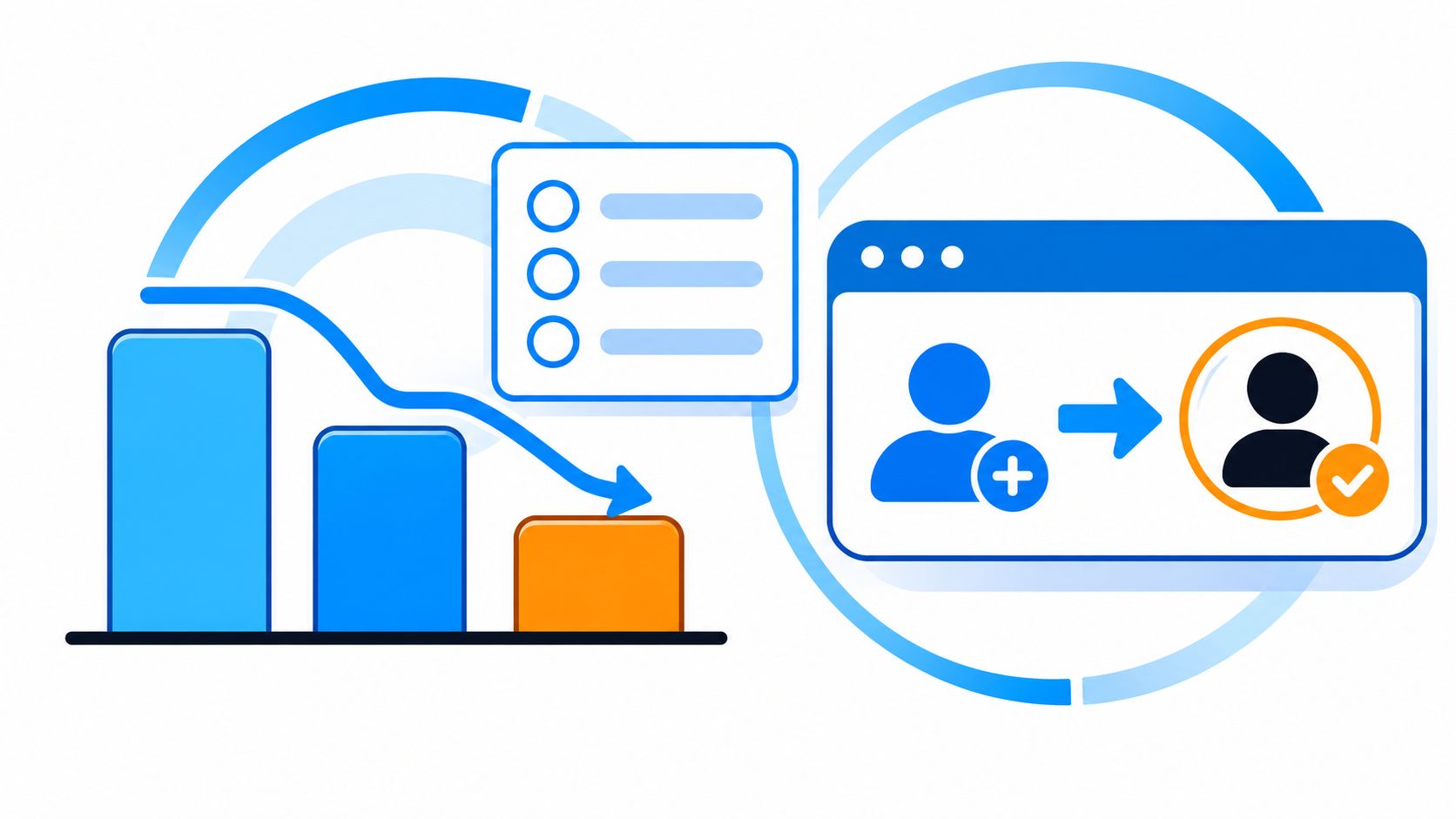
Put the launch agreement in writing
A practical approval checklist gives owners and marketing managers something concrete to sign off:
- Record the maximum qualified CPL for each advertised service.
- Start with one service, one area and one primary conversion tied to a commercial outcome.
- Review search terms weekly, retaining useful buying intent and excluding irrelevant demand.
- Agree who approves budget changes, including the threshold that triggers a raise, hold or stop decision.
Agree scope, fees, media spend, VAT treatment and any minimum term in writing. Google Ranker Pro's Google Ads management and advertising spend are separate from SEO work unless expressly included in the client's proposal. Google Ads and Meta Ads aren't included in SEO plan prices and require separately agreed scope, management fees and media budgets.
Results depend on the starting point, competition, implementation and changes made by search and advertising platforms. Google Ranker Pro is independent of Google, with no affiliation or endorsement implied.
Google Ranker Pro offers Google Ads management, SEO and conversion-focused search marketing to help businesses connect advertising decisions with commercial results. Visit Google Ranker Pro for service information, or request a free SEO audit or discuss advertising requirements with service margins, target boroughs and the proposed media allowance ready for review.